June 20, 2026
Routine dental visits are vital for maintaining a child's oral health and preventing long-term issues. These appointments allow specialists to monitor the development of the teeth and jaw during critical growth stages. According to WebMD, you should take your child to the dentist 6 months after their first tooth appears or before they are 12 months old. Establishing this relationship early helps a child become comfortable in a clinical setting while ensuring their developmental milestones are met. Finding a reliable local pediatric dentist is the first step in building a foundation for a lifetime of healthy smiles and proactive hygiene habits.
Dental health is a cornerstone of a child's overall well-being, directly impacting their nutrition, speech development, and self-esteem. Early intervention through regular checkups provides the opportunity to detect orthodontic concerns or decay before they require invasive procedures. Pediatric specialists are uniquely trained to manage the emotional and physical needs of young patients, making the experience less intimidating. By understanding the specific areas a dentist evaluates, parents can better support their child’s dental journey.
1. Monitoring Tooth Development and Alignment
A primary focus of any local pediatric dentist is monitoring the eruption and alignment of a child’s primary and permanent teeth. The dentist examines the timing and position of emerging teeth to ensure they are following a healthy progression. Delays or abnormalities in these patterns can sometimes signal underlying health issues or the need for early orthodontic intervention. By tracking these changes over time, the dentist can provide parents with a clear roadmap of what to expect as their child grows. This proactive approach helps in identifying crowding or spacing issues that could impact permanent tooth placement.
Proper alignment is not just about aesthetics; it is essential for functional biting, chewing, and clear speech. During the visit, the dentist evaluates the child's bite to check for signs of malocclusion, such as overbites. If misalignment is detected early, the dentist may recommend specialized treatments to guide the jaw's growth. Early detection often simplifies future orthodontic work, potentially reducing the time a child might need to wear braces. Monitoring these developmental markers ensures that the child's oral structure supports their overall physical growth and daily functions.
Jaw Growth and Habits
The dentist also evaluates the development of the jawbone and how it accommodates new teeth. They look for signs that habits like thumb sucking or prolonged pacifier use might be affecting the shape of the dental arches. If left unaddressed, these habits can lead to narrow palates or protruding front teeth. A pediatric specialist offers gentle guidance and strategies to help children move past these habits. Ensuring the jaw develops correctly is a key factor in maintaining a healthy airway and proper facial symmetry as the child matures.
2. Assessing Gum Health and Soft Tissues
The health of the gums and soft tissues is just as important as the teeth themselves during a pediatric exam. The dentist checks for redness, swelling, or bleeding, which are primary indicators of gingivitis. While gum disease is often associated with adults, children are also susceptible if plaque is allowed to build up along the gum line. Early detection of inflammation allows for simple corrections in hygiene routines to prevent more serious periodontal issues. Healthy gums provide the necessary support for both primary and permanent teeth to remain stable.
Beyond the gums, the dentist performs a comprehensive screening of the entire oral cavity, including the tongue, cheeks, and throat. They look for unusual sores, lesions, or infections that might require medical attention or further testing. This visual inspection can sometimes reveal systemic health concerns that manifest in the mouth first. By catching these signs early, the dentist plays a vital role in the child’s broader healthcare team. Parents are often educated during this time on what to look for at home between scheduled professional visits.
Evaluating the Frenulum
The dentist specifically examines the frenulum, which is the small fold of tissue connecting the tongue to the floor of the mouth or the lips to the gums. An abnormally short or tight frenulum can lead to conditions like tongue-tie, which may interfere with breastfeeding or speech. If a restriction is found, the dentist will discuss potential treatments to improve the child's range of motion. Addressing these physical limitations early can prevent developmental delays and improve the child's quality of life. This specialized assessment is a hallmark of comprehensive pediatric dental care.
3. Identifying Early Signs of Tooth Decay
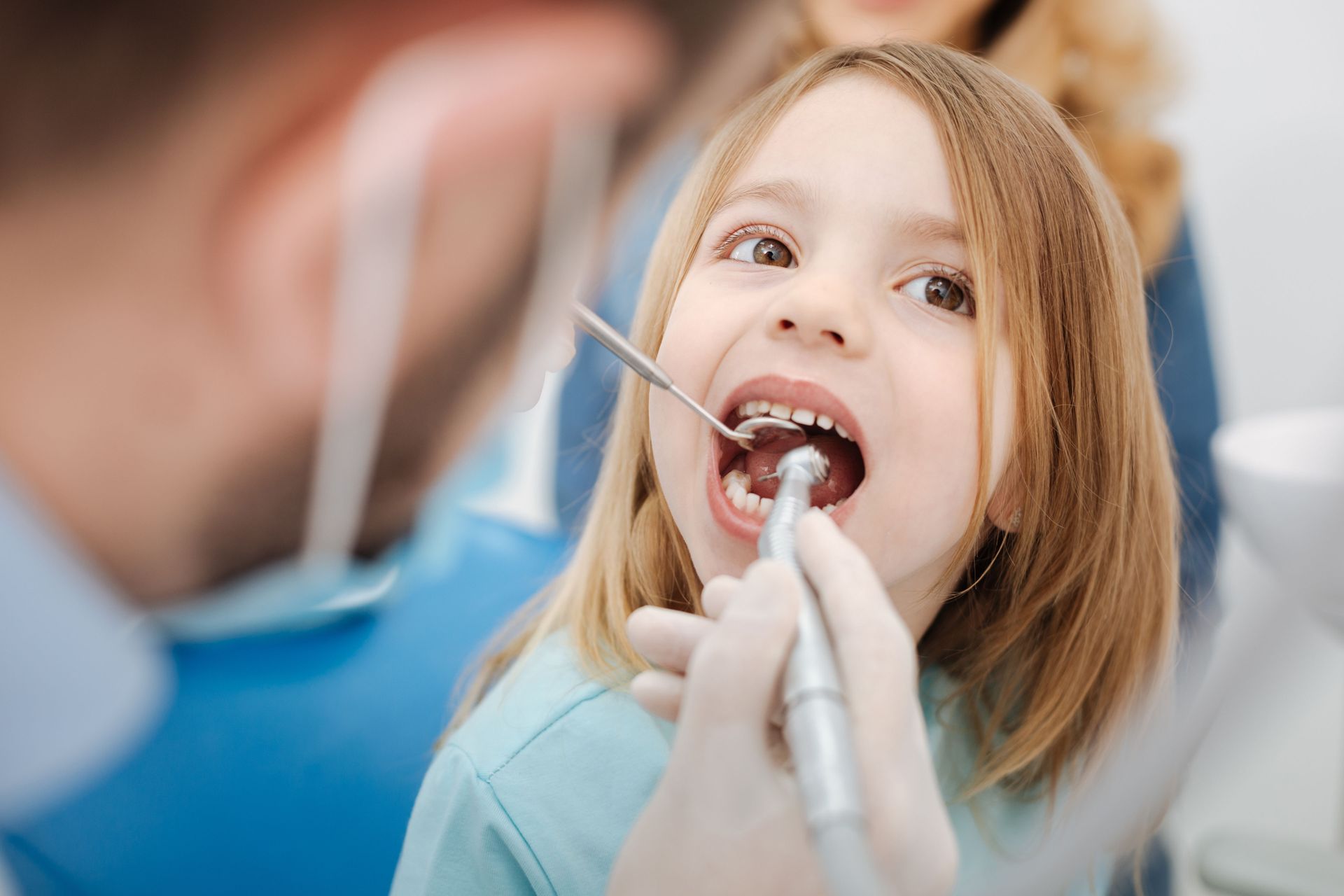
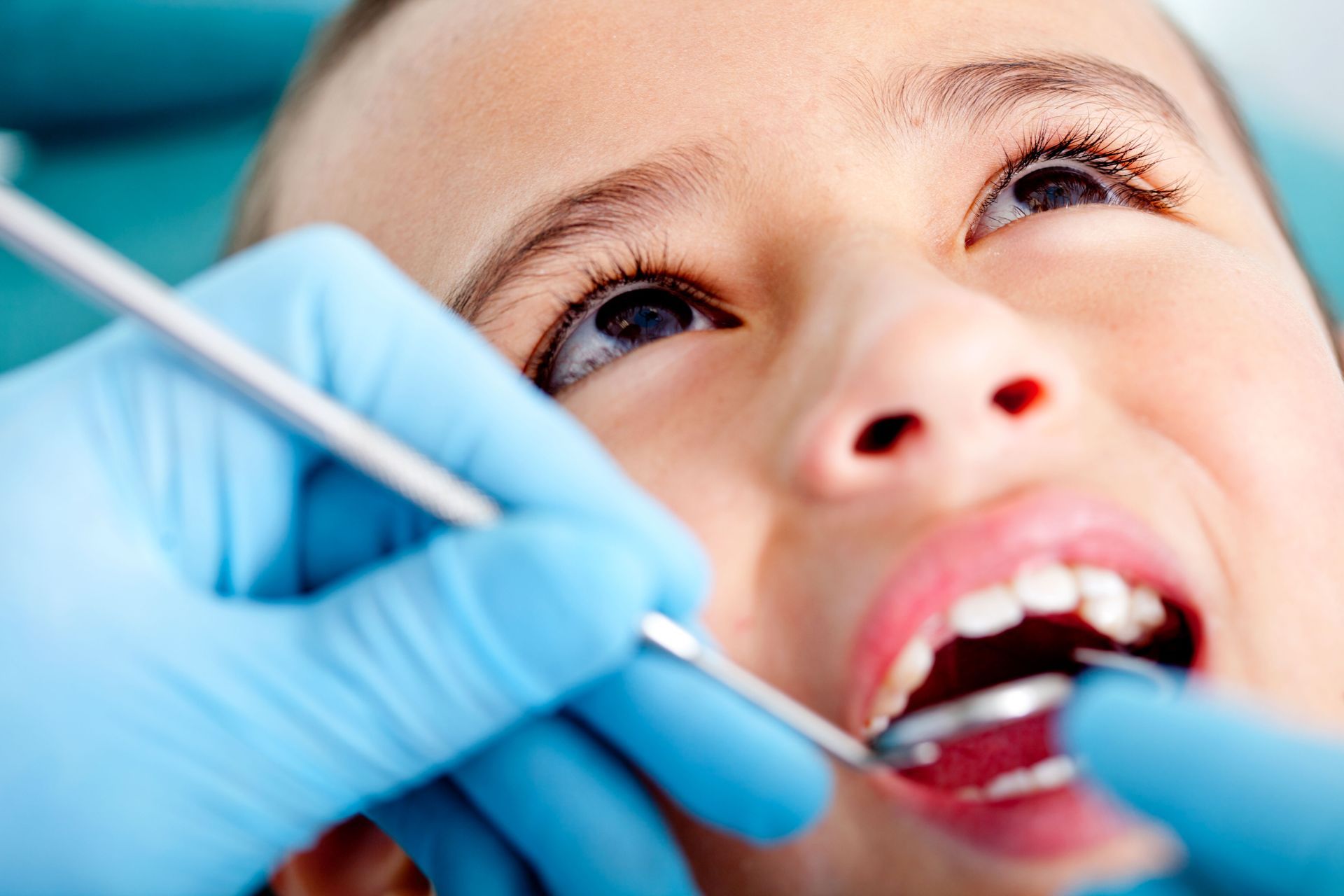
When you visit a local pediatric dentist, they will likely spend significant time performing a detailed inspection for cavities. Tooth decay remains one of the most common chronic conditions in childhood, often starting in the hard-to-reach grooves of molars. The dentist uses specialized mirrors and explorers to check every surface of the teeth for softening enamel or discoloration. Detecting decay in its earliest stages, known as demineralization, often allows for reversal through fluoride treatments. This prevents the need for more complex fillings or crowns later on.
In addition to visual checks, digital X-rays are often utilized to see what is happening beneath the surface. These images reveal decay hiding between teeth or under existing dental work that cannot be seen with the naked eye. X-rays also provide a view of the developing permanent teeth waiting to erupt from the gums. This comprehensive data allows the dentist to create a highly accurate and personalized treatment plan for the child. Protecting primary teeth is essential, as they hold the space for permanent teeth and guide them into the correct positions.
Preventative Treatments
If a child is found to be at high risk for decay, the dentist may recommend preventative measures such as dental sealants. These thin, protective coatings are applied to the chewing surfaces of the back teeth to keep out bacteria and food particles. Fluoride varnishes are also frequently used to strengthen the enamel and make it more resistant to acid attacks. These simple, painless procedures are highly effective at reducing the incidence of cavities in young patients. Discussing these options helps parents take an active role in their child's preventative healthcare strategy.
4. Reviewing Oral Hygiene and Nutrition
Evaluating a child's daily hygiene routine is a cornerstone of the routine visit to ensure long-term success. The dentist or hygienist will often ask the child to demonstrate how they brush and floss to check their technique. This provides a perfect opportunity for hands-on education, showing the child how to reach the back molars and the gum line. Correcting poor habits early prevents the accumulation of plaque and tartar that leads to tooth loss and infection. Empowering the child with these skills builds their confidence and independence in managing their own health.
Dietary choices are closely linked to oral health, and the dentist will discuss how sugar and acid affect the teeth. They provide guidance on tooth-friendly snacks and the importance of limiting sugary beverages like juice or soda. Frequent snacking can create a constant acidic environment in the mouth, which rapidly breaks down tooth enamel. By offering practical nutritional advice, the dentist helps families make better choices that protect the whole body. These conversations are tailored to the child's age and lifestyle to ensure the advice is actionable and relevant.
Ultimately, the goal of pediatric dentistry is to foster a positive relationship with healthcare and ensure a functional, beautiful smile. Parents who prioritize regular checkups are giving their children a significant advantage in their overall physical development. Whether it is through preventative sealants or behavioral support, the specialized care provided is invaluable for a growing child. Maintaining consistency with a dental provider ensures that no detail of the child's oral health is overlooked. By staying proactive, you can ensure your child’s smile remains a source of confidence and health for many years to come. For more information, contact Saline County Children's Dentistry.